Why Keys Snap — and Why It Matters for Broken Key Extraction
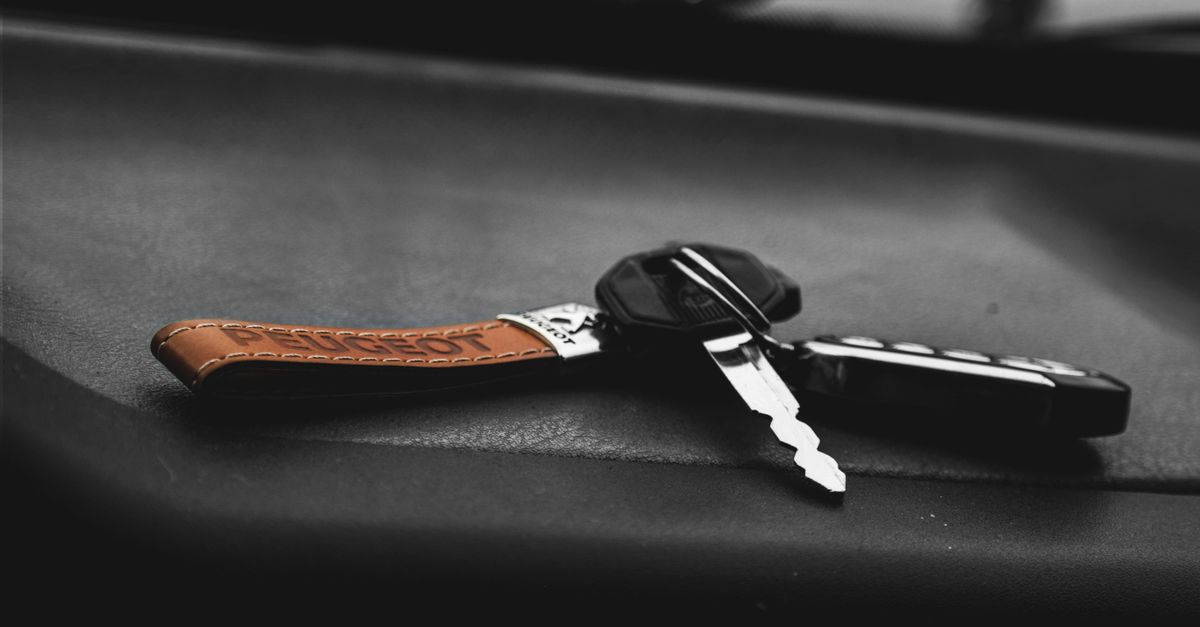
Keys break for several predictable reasons: metal fatigue from years of daily use, a previously bent key that was never replaced, forcing a stiff lock in cold weather (West Orange winters can be brutally unforgiving on older hardware), or a worn cylinder that creates extra resistance. The fracture almost always happens at the bow — where you grip the key — leaving a smooth, flush fragment inside the keyway that offers almost nothing to grab. Understanding the cause matters because it tells our technician whether the lock itself is contributing to the problem. A mortise lock with a worn cam, for example, may be putting abnormal torque on the key blade every time it's turned, and if that underlying issue isn't addressed, the next key will eventually meet the same fate.
Mortise lock extraction deserves special attention because mortise cylinders — common in older West Orange residential buildings, brownstones, and commercial storefronts — have a narrower keyway profile and a deeper cylinder body than a standard pin-tumbler knob lock. That combination means the broken segment sits further in and has less room to maneuver during extraction. Our technicians carry cylinder-specific extraction hooks and spiral picks sized for mortise profiles, not just the universal kits that work on simpler hardware. Whether your door features a classic mortise lock, a modern door knob lock, a deadbolt, or a euro-profile cylinder, we match the tool to the lock — not the other way around.