West Orange Locksmith Corp Service Team
Local locksmith team
Mar 4, 2026 11 min read
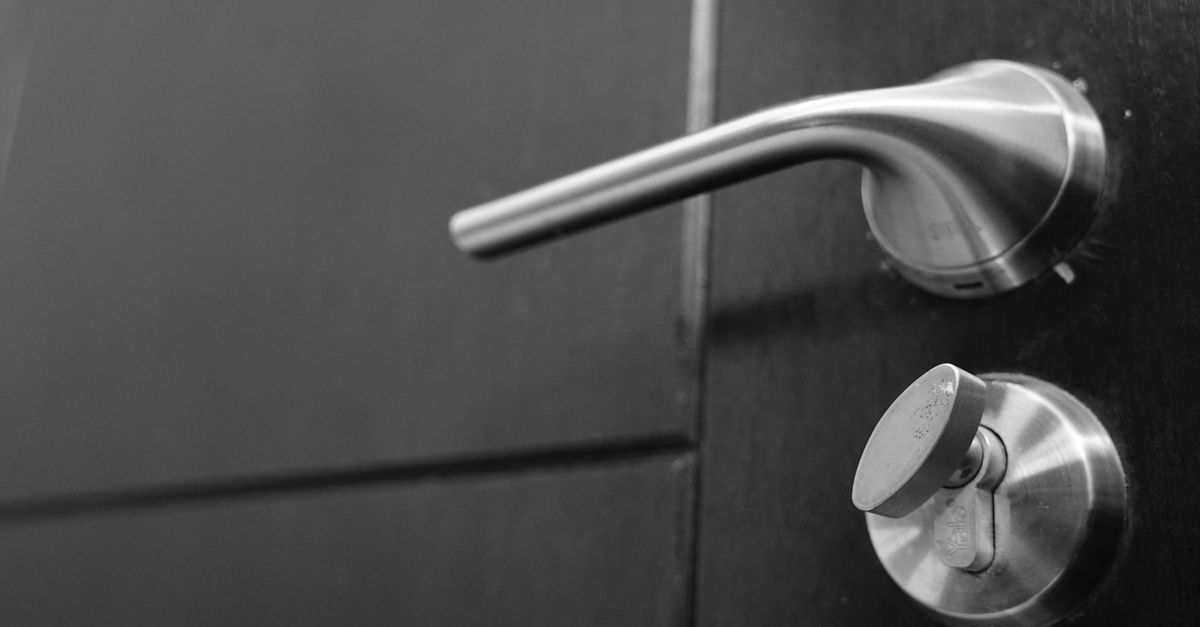
Your front door is one of the hardest-working parts of your home — and the mortise lock holding it secure takes a beating every single day. Most homeowners in the West Orange area don't think twice about their door hardware until the key stops turning or the handle goes completely loose at 11 p.m. on a Tuesday. The good news? A failing mortise lock almost always gives you warning signs before it gives out entirely. Catching those signs early can save you from a full lockout, a compromised entry point, or an expensive emergency call.
Whether you have a classic Baldwin mortise lock on a century-old Victorian near Eagle Rock Reservation, a Corbin Russwin mortise lock on a multi-unit building on Main Street, or a newer smart mortise lock on a recently renovated colonial, the warning signs of wear are surprisingly consistent. Here are five you should never ignore — and what to do when you spot them.
## Sign 1: Your Key Sticks, Grinds, or Requires Extra Force
A well-maintained mortise lock cylinder should accept your key smoothly and turn with minimal resistance. If you've started lifting the handle slightly, angling the key, or giving it a firm shove to get it to rotate, that's not a quirk — that's a symptom. Sticking and grinding usually point to one of three culprits: worn-out internal pins inside the cylinder, debris and corrosion built up in the keyway, or a cylinder that has gradually shifted out of alignment with the bolt mechanism.
In older West Orange homes — especially the turn-of-the-century colonials and Tudors that line neighborhoods like Gregory and St. Cloud — original mortise lock sets were built to last decades, but their cylinders weren't designed for modern key duplication tolerances. A poorly cut duplicate key accelerates wear on the pins, and over time the whole cylinder starts to feel sloppy. A trained locksmith can assess whether the cylinder needs re-keying, replacement, or just a professional cleaning and lubrication. Don't wait until the key snaps off inside the lock — that turns a simple repair into a full extraction job.
## Sign 2: The Handle or Trim Feels Loose on the Mortise Lock Set
Grab your door handle and give it a gentle wiggle. A tiny amount of play is normal, but if the handle rocks noticeably, spins without engaging the latch, or has visible gaps between the trim plate and the door face, your mortise lock set is telling you the internal case — the metal box mortised into the door edge — is either worn internally or has shifted. This is especially common on exterior doors that see heavy daily use or on doors exposed to seasonal expansion and contraction from New Jersey's humidity swings.
A loose handle isn't just annoying — it means the spindle that transfers your turning motion to the latch bolt is no longer making reliable contact. In a worst-case scenario, the handle disengages entirely and you're left with a door you can't open from inside or outside. If you're noticing wobble, it's a smart time to call a professional locksmith for a mortise lock set exterior door inspection. The fix might be as simple as tightening set screws or replacing a worn spindle, or it may mean the internal case needs to be swapped out — either way, it's a fraction of the cost of an emergency lockout service.
## Sign 3: The Deadbolt or Latch Doesn't Retract Cleanly — A Classic Emergency Locksmith Warning
Watch your latch bolt and deadbolt the next time you open your door. Both should move smoothly and spring back fully when released. If the latch stutters, drags against the strike plate, or doesn't retract all the way, something inside the lock case is failing. Common causes include a broken or fatigued spring inside the mortise body, a strike plate that has drifted out of alignment as the door frame settled, or a deadbolt cam that has cracked from years of use.
This is the warning sign that most often precedes an emergency locksmith call — because a latch that won't retract fully can trap you inside or outside your home without any prior drama. If you've ever had to body-check your door to get it to latch, or noticed the deadbolt requires two hands to throw, don't treat it as a minor inconvenience. A skilled locksmith can diagnose whether the problem lives in the lock case itself or in the door frame alignment, and make the repair before you're standing on your porch at midnight. West Orange Locksmith Corp is available 24/7 for exactly these situations — call (862) 305-9994 before a slow latch becomes a full lockout.
## Sign 4: Visible Rust, Corrosion, or Physical Damage to the Lock Body
New Jersey weather is not kind to exterior hardware. Between humid summers, road salt carried on boots and tires in winter, and the freeze-thaw cycles that crack everything from sidewalks to door frames, even a quality mortise lock on an exterior door can develop rust and corrosion faster than you'd expect. Surface rust on the faceplate might look cosmetic, but corrosion that has worked its way into the lock case affects the internal springs, cams, and bolt mechanisms — all of which need to move freely to keep your door secure.
Physical damage tells a similar story. Dents, cracks in the cylinder face, or a strike plate that's been pulled away from the frame are all signs that the lock has been stressed — whether by an attempted break-in, aggressive slamming, or just years of misaligned door pressure. If you have a Baldwin mortise lock or a Corbin Russwin mortise lock in a commercial or multi-family setting, corrosion damage is worth addressing promptly because these locks often secure high-traffic doors that dozens of people rely on daily. A professional inspection will tell you whether cleaning and re-lubricating is sufficient or whether the lock case needs to be replaced outright.
## Sign 5: Your Smart Mortise Lock Behaves Erratically — and What That Actually Means
Smart mortise locks — the kind with keypads, Bluetooth credentials, or app-based access — add a layer of electronics to the mechanical complexity of a traditional mortise body. When a smart mortise lock starts behaving erratically (codes that work sometimes but not others, a motor that hums but doesn't throw the bolt, or a touchpad that goes dark unexpectedly), most homeowners assume the problem is in the software or the batteries. Often it is — but just as often, the underlying mechanical mortise components are worn, and the motor is working overtime trying to overcome physical resistance, which drains power and causes erratic behavior.
Before you reset your smart lock or call the manufacturer's support line, have a qualified locksmith inspect the mechanical components of the lock case. A motor struggling against a misaligned bolt or a frozen cylinder won't be fixed by a firmware update. West Orange Locksmith Corp works with both traditional and smart mortise lock hardware, so you get a complete diagnosis — electronics and mechanics — in one visit. If you're unsure what to do next, call (862) 305-9994 and describe what you're seeing; our team can help you determine whether this is a locksmith issue or a manufacturer warranty situation.
## What Is a Mortise Lock and Why Does It Fail Differently Than a Door Knob Lock?
If you're not sure what is a mortise lock versus the more familiar cylindrical door knob lock, here's the practical difference: a mortise lock is a complete lock mechanism — latch bolt, deadbolt, springs, and cams — housed in a single rectangular case that is recessed (mortised) into the door itself. A door knob lock, by contrast, is a surface-mounted cylindrical unit where the locking mechanism is built into the knob or lever. Mortise locks are significantly more robust, which is why they're the standard on solid wood exterior doors, commercial entries, and older homes built before cylindrical locks became the norm in the mid-20th century.
Because a mortise lock houses more components in a single case, there are more parts that can wear independently. A door knob lock typically fails as a single unit; a mortise lock can have a failing cylinder, a broken latch spring, a worn deadbolt cam, or a damaged spindle — all separate issues requiring different repairs. That complexity is also why DIY mortise lock repair is genuinely difficult: the internal geometry of the case has to be understood before any component is replaced. When in doubt, a professional locksmith visit is faster, safer, and more reliable than a weekend project that leaves your door unsecured overnight.
## West Orange Locksmith Corp — Residential, Commercial, and Automotive Locksmith Services
West Orange Locksmith Corp is a fully mobile, insured locksmith team serving West Orange and the surrounding Essex County communities — from the residential streets near South Mountain Reservation to commercial properties along Prospect Avenue and apartment buildings throughout the Llewellyn Park area. Our services span every lock and security need: mortise lock repair and replacement, mortise lock cylinder re-keying, smart mortise lock troubleshooting, door knob lock installation, deadbolt upgrades, high-security lock installation, master key system design, lock-out service for homes and businesses, door frame and strike plate repair, key duplication and extraction, access control system installation, keypad lock programming, mailbox lock replacement, gate lock service, safe opening and combination changes, car lockout service, transponder key programming, ignition lock repair, car key cutting, push-to-start key fob replacement, motorcycle lock service, sliding door lock repair, window lock installation, peephole installation, and door reinforcement hardware. Whether you need a commercial locksmith for a multi-tenant building or an emergency locksmith at 3 a.m. for a home lockout, we handle it from a fully stocked mobile unit — no waiting for parts to be ordered.
Pricing for mortise lock work depends on several factors: the lock brand and model (a Corbin Russwin mortise lock or a Baldwin mortise lock with proprietary parts will differ from a standard residential unit), the scope of repair versus full replacement, any parts required, and travel distance. We confirm an exact up-front price before any work begins — no surprises on the invoice. Call (862) 305-9994 any time, day or night, and we'll walk you through the situation and get a technician dispatched.
Frequently asked questions
What is a locksmith call out fee, and does West Orange Locksmith Corp charge one?+
A locksmith call-out fee — sometimes called a service call or dispatch fee — is a base charge that covers the cost of sending a technician to your location before any work begins. Whether and how much that fee is depends on factors like time of day, travel distance, and the nature of the job. At West Orange Locksmith Corp, we confirm all charges up front before any work starts, so you know exactly what to expect. Call (862) 305-9994 and we'll give you a clear picture of the cost for your specific situation.
How much does an emergency locksmith cost near me in West Orange, NJ?+
Emergency locksmith pricing varies based on the type of lock involved, the time of the call (after-hours and overnight jobs have different cost considerations than daytime calls), the complexity of the repair or entry, and any parts needed — such as a mortise lock cylinder or a new lock case. There's no universal flat rate that applies to every situation. What we can promise is that West Orange Locksmith Corp confirms an exact price before starting any work, so you're never faced with a surprise bill. Call (862) 305-9994 for a fast, honest quote.
Can I repair a mortise lock myself, or do I need a professional locksmith?+
Some minor issues — like applying lock lubricant to a sticky cylinder or tightening a loose set screw on a handle — can be handled carefully by a homeowner. However, most meaningful mortise lock repairs require removing the lock case from the door, disassembling internal components, and reassembling everything to precise tolerances. Mistakes during this process can leave your door unsecured or damage an expensive lock case. For anything beyond basic lubrication, a trained locksmith will complete the job faster, more safely, and with a proper diagnosis of the root cause rather than just the symptom.
My smart mortise lock stopped working overnight — is this a locksmith issue or a manufacturer issue?+
It can be either, which is why a professional inspection is the most efficient first step. If the issue is a dead battery, a connectivity glitch, or a firmware problem, the manufacturer's support line may resolve it remotely. But if the motor is struggling against a worn or misaligned mechanical component inside the mortise body, no software fix will help. West Orange Locksmith Corp can inspect both the mechanical and electrical interface of your smart mortise lock and tell you definitively which side of the problem you're on — saving you time and the frustration of going back and forth with a support line. Call (862) 305-9994 any time.